Choosing the Right Sheet Metal for Your Roof
When it comes to roofing, the choice of material can significantly impact the durability, aesthetics, and overall performance of your home. Among the various options available, sheet metal stands out for its strength, longevity, and versatility. However, with so many types of sheet metal to choose from, how do you know which one is right for your roof? In this post, we will explore the different types of sheet metal, their benefits, and key considerations to help you make an informed decision.
Understanding Sheet Metal Roofing
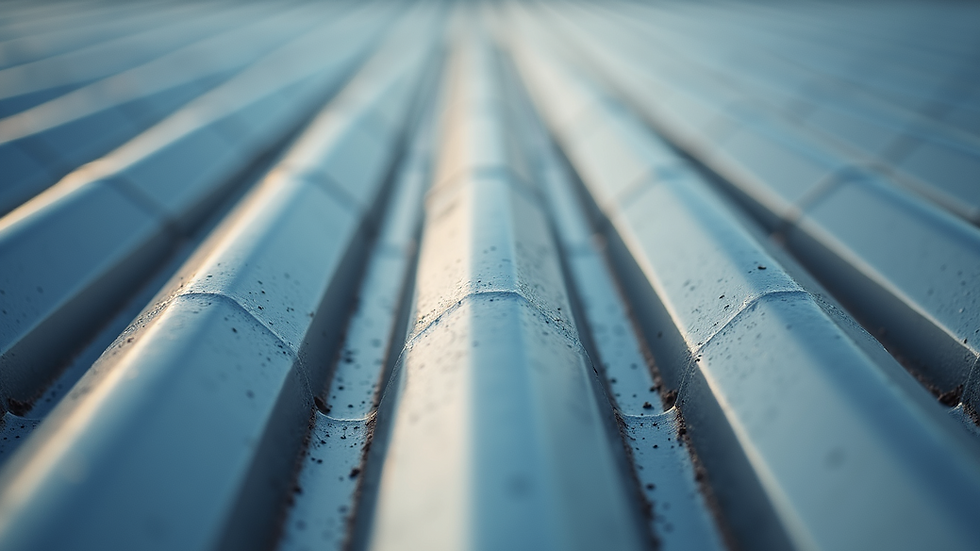
Sheet metal roofing is made from thin, flat pieces of metal that are cut and shaped to fit the roof structure. This type of roofing is popular for both residential and commercial buildings due to its durability and resistance to harsh weather conditions.
Benefits of Sheet Metal Roofing
Durability: Sheet metal roofs can last 40 to 70 years, depending on the material used. They are resistant to cracking, shrinking, and eroding.
Energy Efficiency: Many sheet metal roofs are reflective, which helps to reduce cooling costs in hot climates.
Low Maintenance: Unlike traditional roofing materials, sheet metal requires minimal maintenance, making it a cost-effective option in the long run.
Eco-Friendly: Metal roofing is often made from recycled materials and is fully recyclable at the end of its life.
Types of Sheet Metal for Roofing
When selecting sheet metal for your roof, consider the following common types:
Steel Roofing
Steel is one of the most popular choices for sheet metal roofing. It is strong, durable, and available in various finishes.
Galvanized Steel: Coated with a layer of zinc to prevent rust, galvanized steel is ideal for areas with high moisture.
Galvalume Steel: This type combines aluminum and zinc, offering superior corrosion resistance and a longer lifespan.
Aluminum Roofing
Aluminum is lightweight and resistant to corrosion, making it an excellent choice for coastal areas where saltwater can cause damage.
Advantages: Aluminum roofs are easy to install and can be painted in various colors to match your home’s aesthetic.
Disadvantages: While aluminum is resistant to rust, it can be more prone to denting compared to steel.
Copper Roofing
Copper is a premium roofing material known for its beauty and longevity. It develops a distinctive patina over time, adding character to your home.
Advantages: Copper roofs can last over 100 years and require very little maintenance.
Disadvantages: The initial cost of copper roofing is significantly higher than other materials, making it less accessible for some homeowners.
Zinc Roofing
Zinc is another durable option that is gaining popularity. It is self-healing, meaning that scratches and dents can often repair themselves over time.
Advantages: Zinc roofs are highly resistant to corrosion and can last up to 80 years.
Disadvantages: Like copper, zinc can be more expensive upfront.
Key Considerations When Choosing Sheet Metal
Climate and Weather Conditions
The climate in your area plays a crucial role in determining the best sheet metal for your roof. For example:
Coastal Areas: Aluminum or galvanized steel may be more suitable due to their corrosion resistance.
Cold Climates: Steel roofs can handle heavy snow loads, while aluminum may be more prone to ice damming.
Aesthetic Preferences
The appearance of your roof can greatly affect your home's curb appeal. Consider the following:
Color Options: Many sheet metal roofing materials come in a variety of colors and finishes. Choose a color that complements your home’s exterior.
Style: Different profiles, such as standing seam or corrugated, can give your roof a unique look.
Budget
Your budget will also influence your choice of sheet metal. While materials like copper and zinc offer longevity and aesthetic appeal, they come with a higher price tag.
Cost of Materials: Steel is generally the most affordable option, while copper and zinc are premium choices.
Installation Costs: Consider the cost of installation, as some materials may require specialized skills.
Installation and Maintenance
Proper installation is crucial for the longevity of your roof. Ensure you hire a qualified contractor who has experience with sheet metal roofing.
Maintenance Requirements: While sheet metal roofs are low maintenance, regular inspections can help identify potential issues early.
Conclusion
Choosing the right sheet metal for your roof involves considering various factors, including climate, aesthetics, budget, and maintenance. By understanding the different types of sheet metal available and their respective benefits, you can make an informed decision that enhances the durability and appearance of your home.
Remember, investing in quality materials and professional installation will pay off in the long run, ensuring your roof stands the test of time. Whether you opt for steel, aluminum, copper, or zinc, the right choice will provide you with a strong, reliable roof for years to come.
Take the time to research and consult with professionals to find the best sheet metal roofing solution for your needs. Your home deserves it!


Comments